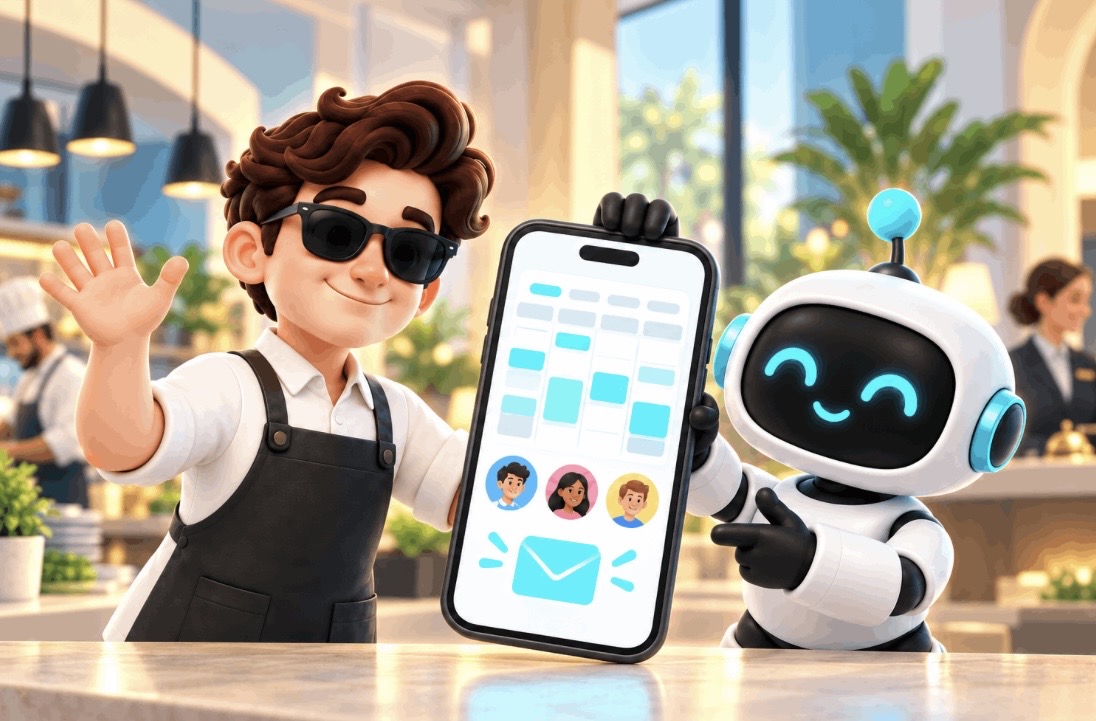
A restaurant or hotel schedule is more than a list of names and hours. It affects coverage, time-off requests, shift changes, attendance, and whether everyone knows what is happening before service begins.
When those details live in separate spreadsheets, texts, and conversations, employees can end up checking more than one place for the latest update. Scheduling tools aim to bring the routine coordination into a shared system.
One place for the moving pieces
HuddleShift is a scheduling and team-operations app for shift-based businesses, including restaurants, cafés, bars, and hotels. Its published features include creating and sharing schedules, tracking attendance and clock-ins, handling time-off and shift-change requests, and sending updates to the team.
Employees can check their schedules and submit requests through the app. Managers can review changes and keep the current plan in one place, instead of relying on a trail of messages to confirm who is working.
AI can draft; managers still decide
HuddleShift also describes an AI scheduling feature that creates a first draft for managers to review and publish. A draft can be a useful starting point, but a manager still needs to check availability, roles, labor needs, fairness, and the guest-service demands of each shift before approving it.
Make a new tool work for your team
Before adopting any scheduling app, enter employee roles and availability carefully, set clear rules for shift swaps and time-off requests, and explain where staff should look for the final schedule. Try it with a small team first and ask what feels clearer—or more cumbersome—after a few weeks.
Digital tools can make updates easier to track, but they do not replace thoughtful staffing decisions or a quick pre-shift conversation. The goal is simple: fewer crossed wires, a team that knows the plan, and more attention left for guests.